How Taxi Fleet Finance Can Drive Cleaner, Greener Private Hire Services

loan2ownltd • June 5, 2025
Three white cars are sitting next to each other on a white surface.

With fuel costs rising, low-emission zones expanding, and competition increasing across the UK’s private hire sector, fleet owners are under pressure to modernise. But upgrading your vehicles — especially to electric or hybrid models — can be expensive. That’s where tailored taxi fleet finance can make a real difference.


At Avro Finance, we help taxi companies access flexible, affordable finance to grow and futureproof their fleets, no matter their size or credit history.

Why now is the time to upgrade your taxi fleet.

More local authorities are tightening emissions rules and expanding Clean Air Zones (CAZ). From London’s Ultra Low Emission Zone (ULEZ) to new restrictions in cities like Bristol and Manchester, the trend is clear: high-emission vehicles are becoming more expensive to operate.


Meanwhile, many passengers — especially those booking executive or airport transfers — are actively seeking low-emission or electric vehicles. Offering these as standard could help your business stand out in a crowded market.


The case for electric and hybrid taxis.

Shifting to electric or hybrid taxis is about more than compliance. It’s about long-term profitability. Here’s why many operators are making the switch:

1. Cost Efficiency

EVs have fewer moving parts than petrol or diesel vehicles, so maintenance tends to be cheaper. Electricity is also significantly less expensive per mile than fuel, and many models now offer strong ranges suitable for urban and intercity routes.

2. Increased Passenger Appeal

From Uber Green to black cab services, passengers are becoming more environmentally conscious. Offering clean, quiet vehicles can boost your bookings — particularly from corporate clients.

3. Avoiding Charges and Penalties

ULEZ and CAZ fees can eat into your profits. Investing in compliant vehicles helps you avoid these daily charges, keeping your operating costs in check.

4. Futureproofing Your Business

As the government continues to push for net-zero targets, older petrol and diesel models will become harder to operate or insure. Switching now protects your business from future disruption.


How taxi fleet finance works

Many operators want to go electric but hesitate due to upfront costs. A new EV or plug-in hybrid can cost significantly more than a petrol equivalent — and buying several at once can put serious strain on your cash flow.

Getting started: What we look for.

That’s where Avro Finance comes in. Our taxi fleet finance solutions are designed specifically for fleet operators, owner-drivers, and hire firms.


We offer:


  • Hire purchase agreements
  • Finance lease options
  • Refinance packages for existing fleets
  • Support for new or used vehicles
  • Flexible terms tailored to your budget and growth plans


Whether you run a fleet of 5, 15, or 50 vehicles, we can help you spread the cost of investment while keeping your business moving.


Who we work with?

We finance fleets across the UK — from city-based operators with mostly electric saloons, to rural hire services investing in plug-in hybrid MPVs. We also support:


  • Executive and chauffeur companies
  • Airport transfer specialists
  • Hackney & LEVC
  • Ride-hailing drivers (e.g. Uber, Bolt, Ola)
  • Owner-drivers looking to finance their first vehicle


Our team is experienced in working with businesses that have complex or variable incomes, and we’ll consider applications even if your credit history isn’t perfect.


A changing market: why taxi fleets are going electric

More operators are now switching to EVs in response to:


  • Local council incentives or EV grants
  • Contract tenders requiring low-emission vehicles
  • Passenger demand for greener rides
  • Rising fuel and maintenance costs


We’ve seen a sharp rise in applications for electric taxis — particularly models like the Nissan Leaf, Toyota Prius Plug-in, and Mercedes EQE for executive fleets. These vehicles help reduce operating costs while adding polish to your service offering.


What you'll need to apply

The application process is straightforward. We’ll typically ask for:


Basic business info (company type, trading history)

Details of the vehicles you want to finance

Estimated mileage and usage

Any supporting financials or proof of income


In some cases, we can offer same-day decisions — and we’ll always explain your options clearly.


Upgrade your taxi fleet with flexible finance

Whether you’re replacing old vehicles or investing in electric taxis for the first time, we’re here to help. Contact our teamor apply now to get started.


You might also like

By avro fleet team February 5, 2026
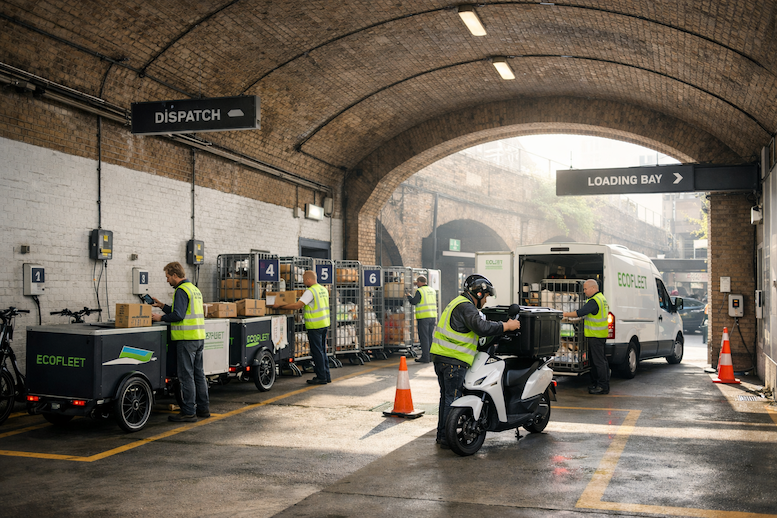
Electric two‑wheelers are gaining real traction in last‑mile delivery in India, with major deployments showing they can support heavy usage and long routings for city deliveries. Motovolt Mobility’s recent deployment of 2,500 electric two‑wheelers across major urban markets is one of the clearest examples of this trend.  Working with logistics providers and digital marketplaces such as Zomato, Swiggy, Flipkart and Blinkit, these EVs are now serving in cities including Bengaluru, Hyderabad, Chennai, Delhi and Gurugram. The vehicles have collectively logged millions of kilometres in busy urban environments, demonstrating their reliability and practicality under real‑world conditions. For delivery networks focused on cost‑efficiency and emissions, electric two‑wheelers offer several advantages. They typically cost less per kilometre than petrol scooters, and electric motors and batteries require less routine maintenance. Given high fuel prices and increasing regulatory pressure on emissions, these savings are more than incremental — they directly improve operating margins. Another operational benefit lies in range and uptime. Modern electric two‑wheelers can travel distances suited to typical urban delivery shifts, and many models feature removable batteries that speed turnaround times. High daily mileage figures from deployed fleets suggest that well‑managed EVs can keep pace with business demand. From a sustainability standpoint, replacing petrol bikes with electric models reduces local air pollutants and noise in dense city streets. This aligns with broader urban environmental goals and can also improve brand perception among consumers who value cleaner deliveries. There remain challenges: charging infrastructure, upfront costs, and battery health over time are all factors operators must manage. But the real‑world data emerging from large‑scale deployments shows that these two‑wheel EVs are not just concept vehicles — they work in tough conditions every day. For any business involved in last‑mile delivery — whether food, retail or parcels — watching how electric two‑wheelers perform at scale is important. They are increasingly a credible part of a cost‑effective, low‑emission fleet.
By avro fleet team February 4, 2026
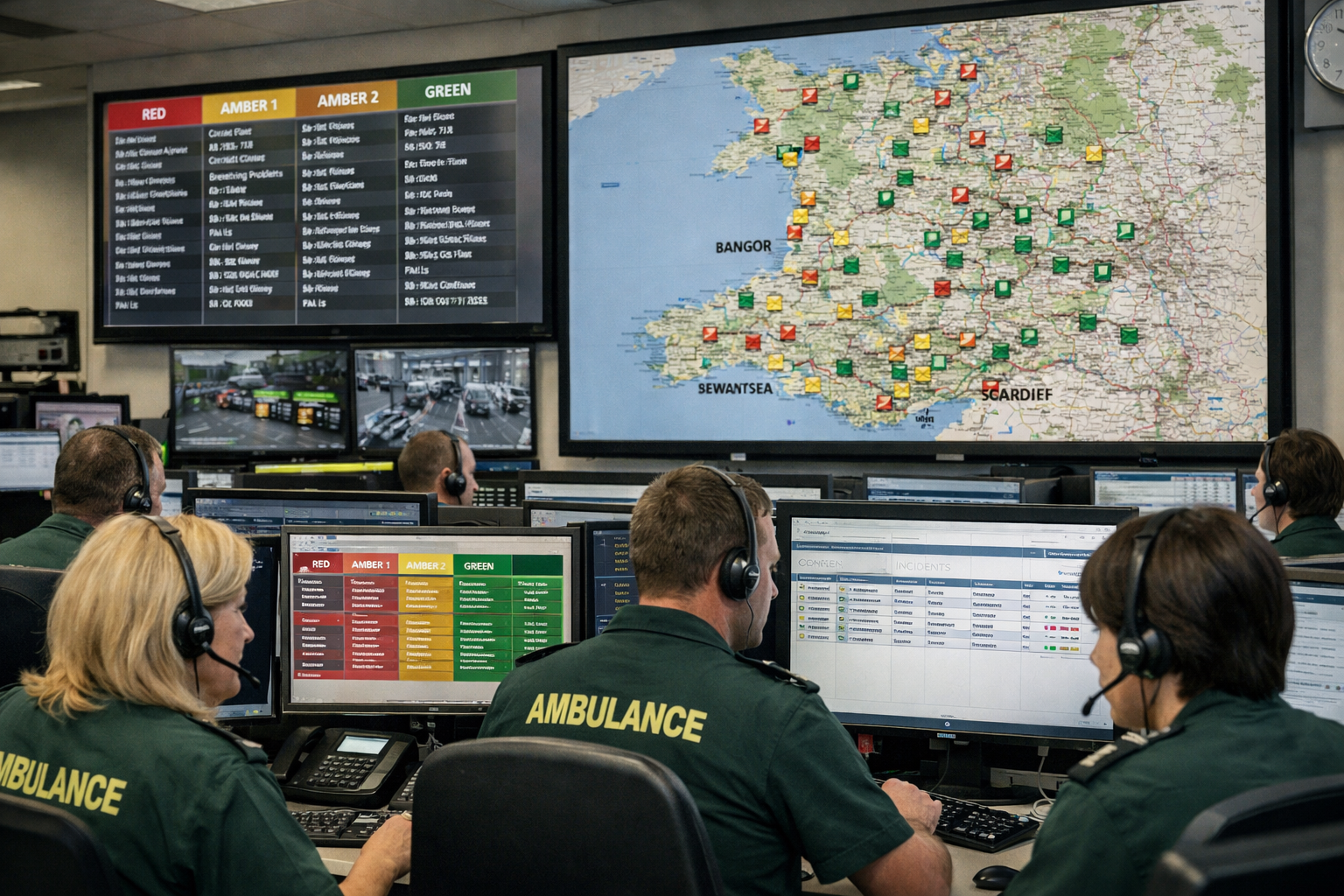
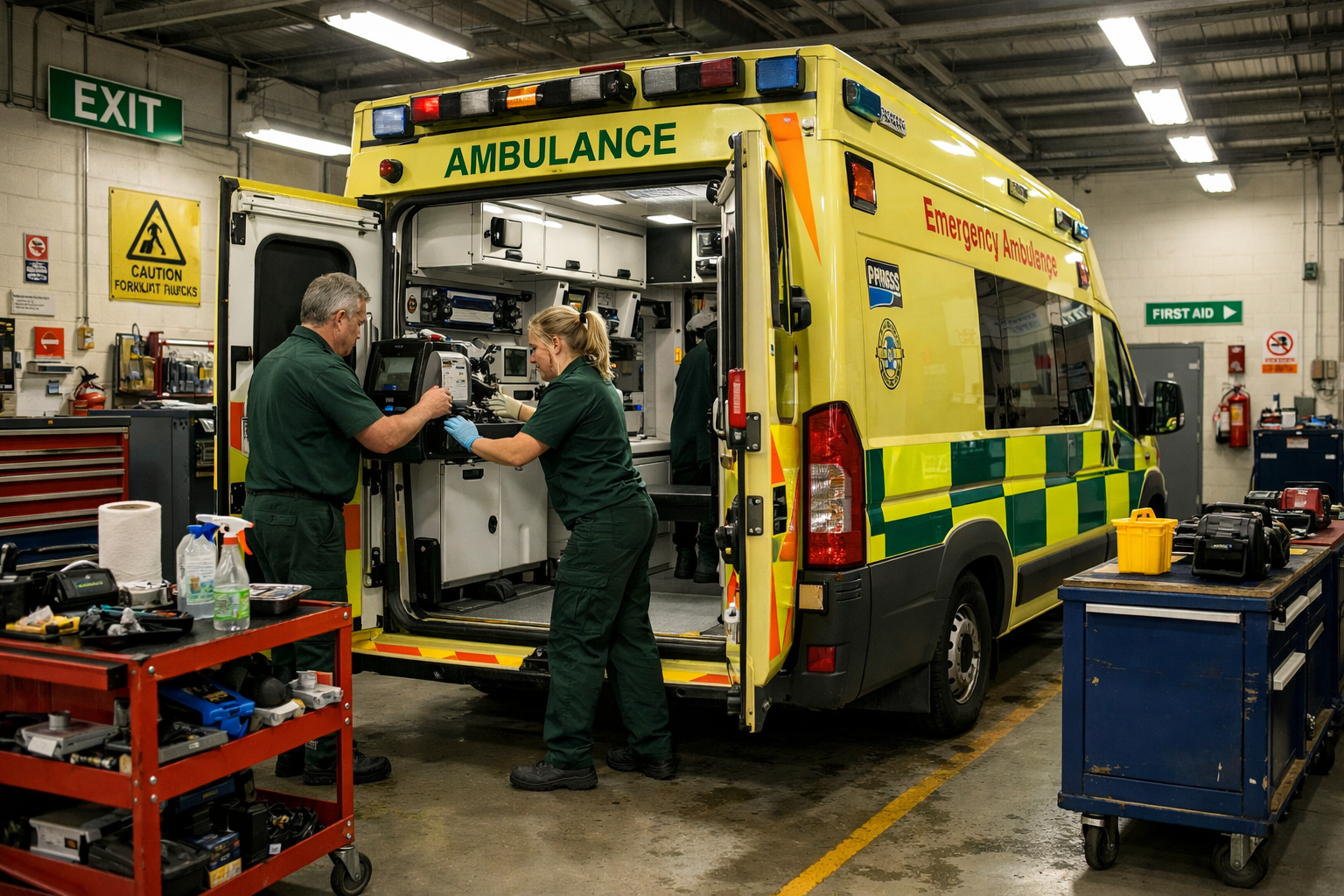
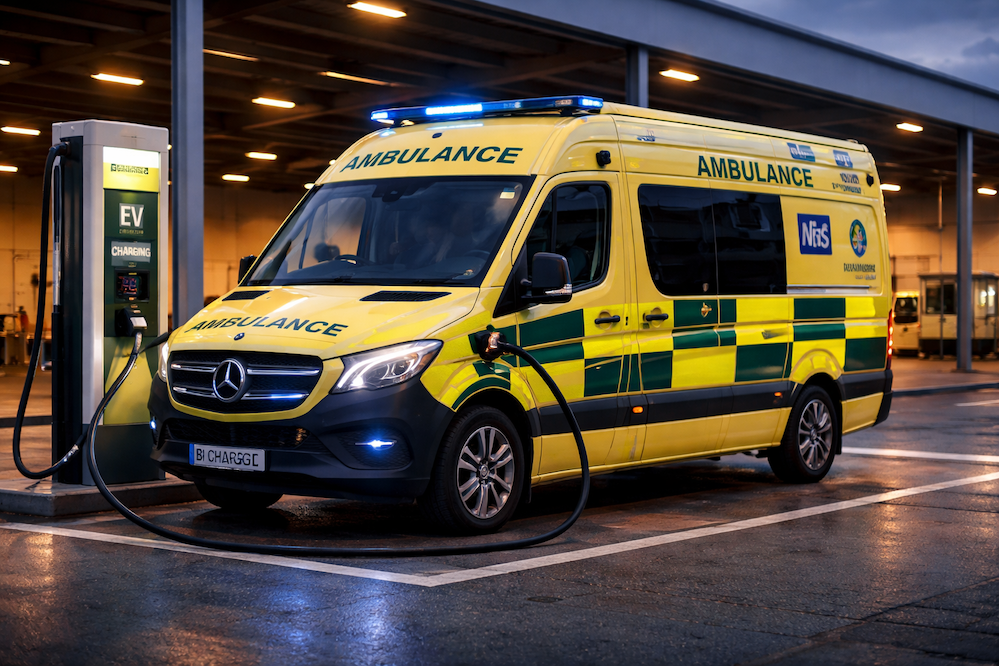
England’s NHS ambulance services have received more than 500 new vehicles as part of a £75 million investment to strengthen emergency care capacity. The rollout is one of the largest NHS fleet renewals in recent years and is aimed at cutting response times and boosting reliability during high‑pressure seasons. Breaking down the investment The new ambulances are double‑crew models equipped with updated safety technology to protect patients and paramedics. They replace older vehicles and have already reduced breakdown rates, meaning more vehicles are available to respond to 999 calls. The investment is part of a broader approach within the NHS to modernise urgent and emergency care and support frontline staff amid rising demand. An important part of this fleet upgrade is that many of the vehicles were converted or assembled in towns and cities across England. Local work in places such as Goole, Bradford, Sandbach, and Peterborough supports skilled jobs while ensuring the supply chain for ambulances remains robust and responsive. Operational impact For ambulance services stretched by seasonal spikes in respiratory illness and other pressures, having reliable, up‑to‑date vehicles makes a difference on the ground. Fewer breakdowns mean crews spend less time waiting for replacements and more time caring for patients. Early feedback suggests response times have improved compared to previous winter periods. These vehicles also play a role in non‑emergency ambulance workflows, supporting transfers between hospitals, discharges, and urgent care transport that does not require emergency lights and sirens but still matters to patient flow. What this means for the sector From the perspective of private providers, suppliers, and fleet partners, the scale and scope of this rollout send clear signals. First, NHS fleet renewal remains a priority for health planners. Second, modernisation is increasingly tied to reliability and staff safety features, not just replacement cycles. Manufacturers and converters that can deliver vehicles that match evolving NHS specifications and regulatory requirements are likely to see continued demand. Meanwhile, operators that manage maintenance and telematics well will be better positioned to support fleet uptime and reduce operational downtime. The bigger picture Investments in ambulance fleets are part of a wider strategy to improve urgent care and emergency services. Upgrading vehicles is one part; ensuring they are integrated into broader care pathways, supported by workforce planning, and backed by modern dispatch and tracking technologies will determine long‑term impact. Conclusion The deployment of over 500 new ambulances strengthens emergency response and everyday patient transport. It underscores the need for reliable, safer vehicles and signals sustained commitment to frontline care capability across the NHS.
By avro fleet team February 4, 2026
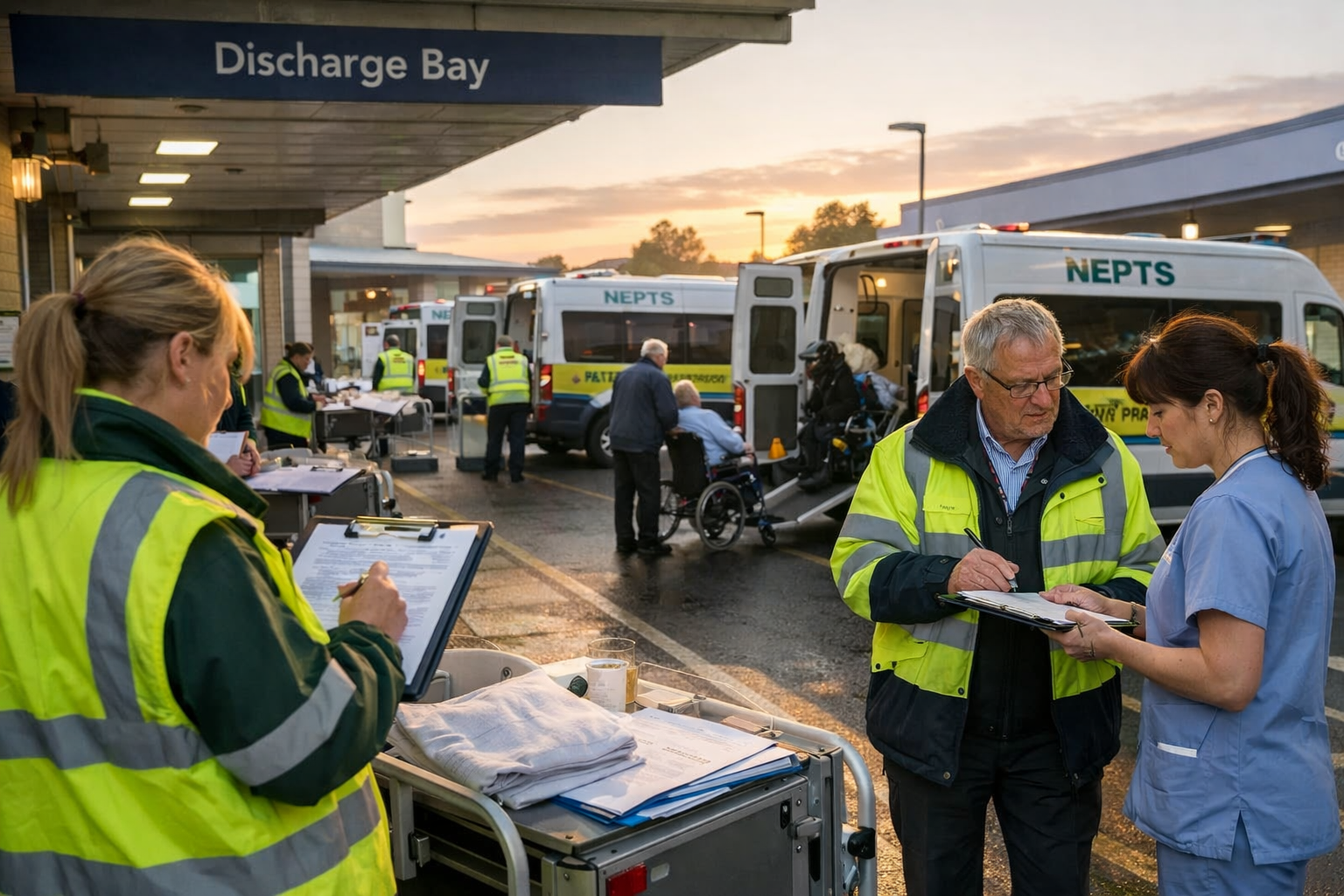
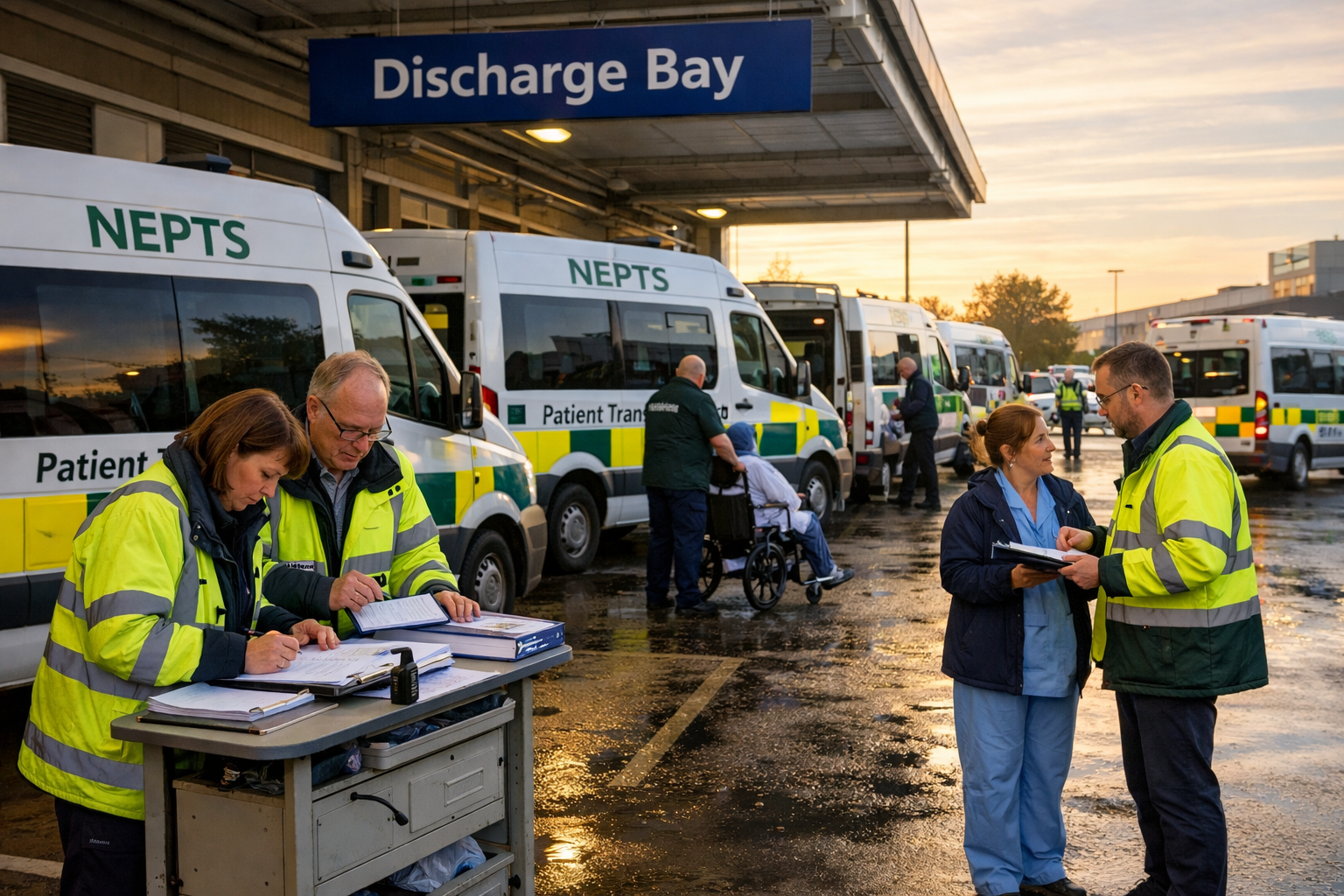
The healthcare transport sector in the South West of England has seen a significant shift following Health Transportation Group UK’s acquisition of First Care Ambulance. The deal brings the Devon non‑emergency patient transport contract and its associated vehicles and workforce into HTGUK’s portfolio and aligns services with Cornwall and Isles of Scilly operations. What the acquisition means for NEPTS delivery Non‑emergency patient transport (NEPTS) services are often overlooked until demand spikes or contracts change hands. They are essential to hospital flow, patient appointment access, and discharge planning. By consolidating the Devon and Cornwall contracts under one operator, commissioners may benefit from greater consistency of service delivery, deeper resource planning, and shared learning across a broader regional footprint. From an operations perspective, the acquisition brings around 176 staff and 76 vehicles into a larger group. That scale can improve resilience, especially during peak periods, unexpected staff shortages, or surge demand. For commissioners, this can translate to reduced risk, a broader pool of experienced personnel, and potentially better performance reporting because systems and processes are standardised across a larger network. Implications for private providers For private companies in the ambulance and patient transport market, this deal highlights the value of scale and integration. Winning contracts increasingly depends on demonstrating the ability to manage complex regional requirements, maintain fleet readiness, and support workforce development across multiple sites. Consolidated providers may be better placed to invest in fleet upgrades, telematics, and data‑driven performance measures than smaller, fragmented operators. Workforce and service continuity One notable feature of the acquisition is that the existing management team at First Care Ambulance stays in place. That continuity can help smooth the transition, reduce disruption, and retain institutional knowledge about local service requirements and commissioning relationships. It is an example of how acquisitions can be structured to preserve service stability while achieving organisational goals. Strategic context The merger of the Devon and Cornwall Integrated Care Boards adds a backdrop of broader health system transformation. As integrated care systems evolve, patient transport services are being looked at as part of whole‑system planning rather than discrete contracts. Bigger, coordinated transport networks may align better with broader goals like integrated discharge pathways and improved patient access. Bottom line This acquisition is more than a change of ownership. It reflects broader trends in healthcare transport: consolidation for resilience, integration with regional health planning, and the need for robust operational capability. Providers and commissioners alike should note that scale and continuity are increasingly central to delivering reliable, patient‑centric transport services.